
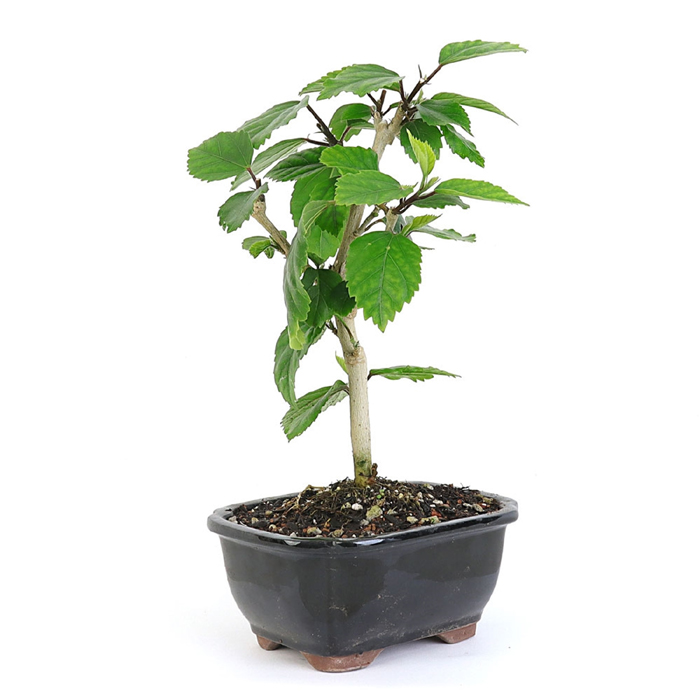
Exuberance
Maintenance Level
Low
Placements
Outdoor shades and Outdoor
Toxic
No
Fragrance
Yes
Seasons
Spring and summer
Plant Height
5ft to 7ft
Water Frequency
Winter
2days once
Summer
Daily
Fertilizer Frequency
Winter
3-4 month
Summer
Every month
Exuberance hibiscus is a cross of Fireball and Saffron. It blooms in pink, yellow, orange, and red hues. Large, multicolored flowers, measuring 7-9 inches in width, are produced by the shrub. Plant this shrub in either full sun or light shade. It's among the greatest varieties of hibiscus you can cultivate.
<b>Type of soils</b> <br> well drained soil, amended with organic matter are needed.<br> <b>Type of Fertilizer</b><br> Liquid fertilizer <br> <b>Development Trend Moderate</b><br> Repotting: Every two years after the initial repotting, swap out the pot.<br> Propagation: Cuttings are taken when the plant breaks dormancy and begins to exhibit some new growth, usually in the spring or early summer.<br> Pruning: To keep the plant in good shape and promote development, trim it back by about half in the early spring.<br><br> <b>Process</b><br> 1. Mix in loamy, well-draining soil for the potting soil combination.<br> 2. In your outdoor space, place your hibiscus in full light for at least six hours.<br> 3. Give your hibiscus regular irrigations, just enough to keep the soil damp but not soggy.<br> 4. Fertilize your hibiscus once every two weeks with the fertilizer recommended for them. Container plants have a limited absorption area, thus they need more fertilizer.<br> 5. Trim your springtime hibiscus. With pruning shears, clip back any drooping or lanky branches and remove any yellowed leaves.
1. Reduced Body Heat and Cholestrol<br> 2. Handle Nerve and Heart Conditions<br> 3. INDIA: Devi (the goddess) worship<br> 4. Natural Dye Source<br> 5. Applied to Skin to Soften or Heal
Dos
1. Springtime brings February and March, when replanting is typically done.<br> 2. Before transporting the plant, prune heavily in the spring to trim lanky stems and remove rubbing branches.<br> 3. Take off the top few inches of soil and add new compost in its place.
Don'ts
1. Keep it moist, but avoid submerging it in water. 2. Winter pruning is not done.